Most signs-of-dehydration lists start with thirst. But your body doesn't always send an obvious signal — a sudden sugar craving, less-than-fresh breath or a higher resting heart rate can all be early, easy-to-miss signs of dehydration.
1. You’re Suddenly Craving Something Sweet
That mid-afternoon chocolate craving, as much as we love a sweet treat, might not always mean your body needs sugar.
Dehydration itself is not officially listed as a direct cause of sugar cravings, but thirst and hunger signals can sometimes get mixed up with each other. According to the Cleveland Clinic, mistaking your thirstiness for being hungry may trigger cravings. This includes the urge to reach for something sweet, rather than a glass of water or electrolyte drink, which is what your body is actually craving.
Before automatically heading for the snack drawer, try having a few sips of water and giving your body a few minutes to catch up. You might still want the snack, and that is totally fine, but checking in with your hydration first is an easy habit to build into your everyday wellness routine.

Try this instead
Pro tip: Keep a cold drink somewhere visible while you work, travel, exercise, or run errands. When hydration is convenient and in your face, you are much more likely to remember it.
2. Your Breath Feels Less Fresh
Bad breath is not always about the tuna salad you had for lunch.
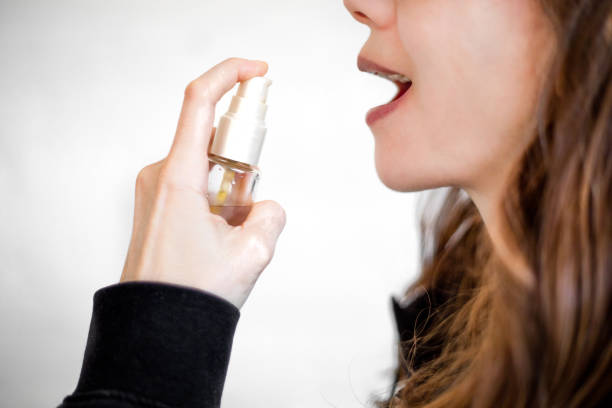
When you are dehydrated, your mouth can become dry because there is less saliva available to keep it moist. Cleveland Clinic lists dehydration as a cause of occasional dry mouth and notes that bad breath can be one of the symptoms associated with dry mouth.
Better Health Channel also explains that not drinking enough fluid can lead to thicker saliva and a dry mouth, while avoiding dehydration can form part of managing bad breath. In other words, if your mouth feels dry and your breath is not feeling quite as fresh as usual, it may be time to touch base with your hydration levels.
Your quick reset
Take a 5-minute hydration break, brush your teeth when possible, and avoid relying entirely on mints to mask the problem. Your mouth might simply be asking for a little bit more water or hydration.
Or browse our site! You can find it here: https://www.hytropics.com/
3. Your Resting Heart Rate Is Higher Than Usual
Your heart rate naturally changes throughout the day depending on movement, stress, caffeine, temperature, and a boatload of other ongoing factors. However, dehydration may also cause your heart to work a little bit harder than it has to.
When your body loses fluid, there is less fluid circulating in your bloodstream. Your heart may respond by beating faster to continue its job of moving blood around your body. Cleveland Clinic includes a rapid heart rate among possible dehydration symptoms, while the American Heart Association notes that heat and fluid loss can place more strain on the heart.
The keywords here are higher than usual. One reading does not automatically mean you are dehydrated, and fitness watches are not diagnostic tools. Look at your overall pattern and consider other signs, such as thirst, dark urine, dry mouth, tiredness, headache, or dizziness.
If a rapid heartbeat or heart palpitation is constant, or happens alongside chest pain, dizziness, fainting or shortness of breath, seek medical advice rather than assuming dehydration is the cause.
So, How Can You Stay Better Hydrated?
The best hydration routine is one you can realistically maintain with your lifestyle and can do during your everyday life.
Water is a great everyday option, and, for most people, it is the best place to start. However, when you lose fluids through exercise, sweating, warm weather or a particularly busy day, you may also lose important electrolytes your body needs to feel its best. These minerals help your body maintain its fluid balance and support normal muscle and nerve function. Replacing electrolytes such as sodium and potassium alongside fluids can therefore help support rehydration when water alone needs a stronger backup.
That is where Hytropics comes in. Our ready-to-drink formula contains three key electrolytes, sodium, magnesium and potassium, alongside B vitamins and ginseng. It is designed to support everyday hydration, balanced energy, and focus without relying on sugar or caffeine.
With no powders to mix and no messy scoops involved, Hytropics makes it easy to add electrolytes to your routine when you’re on the go. Simply grab a chilled can as a midday pick-me-up during long workdays, in between workouts, for travel days, warm weather or whenever your hydration levels need a kickstart. Check out our mixed multipack https://www.hytropics.com/products/mixed-flavour-electrolyte-drink-multipack
Ultimately, staying hydrated does not require an overly complicated wellness routine. Start with water. Drink regularly throughout the day and build small hydration habits around the things you already do. Whether that means keeping a bottle on your desk, having a glass with every meal or grabbing a can of Hytropics when you need some extra electrolyte support. The best routine is not the most perfect or aesthetically pleasing one. It is the one that fits naturally into your day and helps you stay consistent.

Hydration Check-In
In short, sugar cravings, less-than-fresh breath, and a higher resting heart rate do not automatically mean you are dehydrated. However, they can be useful reminders to pause and check whether you have been drinking enough water or if you need a little extra boost with some electrolytes.
Your body might not always send an overtly obvious thirst alert. Sometimes, the signs are hiding in plain sight. So, consider this your reminder to take a hydration break, reach for something refreshing and keep your everyday hydration routine on track.
Shop Hytropics products Here


